A sash window needs to pass BS7950 before it can be considered secure. The Bygone Collection was the first sash window (of any material) to pass this new British Standard for sash windows in 2006.
Two of the critical areas however are the cam catches and keeps…
Exclusively available to The Bygone Collection, the opposite handed cams (on larger windows) which centralise the sashes in the frame preventing them from being forced to one side of the window, weakens it and allows easier entry.
Solid Keeps are secured with four fixing screws. Two vertically and two horizontally into steel reinforcement to maximise ability to resist shear forces. The majority of keeps on other windows are just screwed to the PVC-U beading, which in testing has proven to take less than 15 seconds to break into!
Peace of mind security
Bygone sash windows give you the peace of mind that only comes from knowing that you, your home and your loved ones are safe, by using the high security features of Bygone sash windows
Bygone sash windows are built to withstand punishing conditions. With installations in extreme weather locations such as The Lands End Hotel, Bygone sash windows have been designed to cope with driving rain, howling winds and to prevent water forcing its way into your home.
Scrupulous attention to detail combined with a passion for creating the very best sash windows means that a Bygone sash window has many design advantages. Here are just a few explained…
Authentic Appearance – White Painted Timber effect
Bygone offer an authentic grained effect which creates a stunning painted wood appearance with the low maintenance and longevity of PVC-u.
So convincing is this effect that one planner, building his own home, and standing only a few feet from the window, could not believe that he really was looking at a PVC-u product.
It has been hard to get close to the original white painted timber appearance of original sash windows with modern low maintenance materials. Until now that is!
Unique Design – Surface mounted, bonded Georgian bars
The Georgian bars that create each pane are crucial to the authentic look of a sash window. Only one thing achieves that result – authentically shaped, securely fixed, surface mounted external glazing bars.
Bygone UPVC sash windows have external bonded bars as standard, which add a third dimension to your windows, protruding from the surface of the glass the way the muntin bars did on the originals creating depth, character and shadow lines.
The Bygone Collection uses a patented method of interlocking the Georgian bars together before clamping them to the glass with a Georgi ClipTM. Bygone sash window bars are guaranteed to stay firmly attached – even when they are used to open the windows!
Unique Design – Torso Balances
Balances are an extremely important component of a sash window. They’re the engine, they provide extra assistance to make it easier to open and close heavy sashes.
TORSO balances are guaranteed to open and close for at least fifty thousand cycles, that is three times per day, every day for the next fifty years. That is why we fit them as standard.
Unique Design – Tilt Restrictors
Cleaning Bygone sash windows is safe and easy, these restrictors are fitted as standard. Unlike many other sash windows, the unique dual tilt restrictors on a Bygone window means each sash can be tilted back, at the perfect angle for easy and safe cleaning from the inside of your home.
On exceptionally large windows (too heavy for standard tilt restrictors) we include as standard safety stays. Small tilt restrictors designed to prevent the accidental unlocking of sash windows again another unique Bygone feature.
Authentic Appearance – Continuous Horns
The victorians introduced horns in the 1850’s to prevent the sash weights from damaging timber window frames as sash windows gained extra weight from the thicker and heavier plate glass.
With cheap upvc sash windows manufacturers are happy to just mimic this important original feature by sticking on “replica” horns. This is one of the many “artificial” details planners find most objectionable.
Not anymore. Bygone sash windows have integrated continuous horns, which are so essential to achieving a truly authentic sash window appearance.
Authentic Appearance – Deep Bottom Rail
Traditionally the bottom rail on the lower sash was far deeper than it’s side members, constructed from 4 or 5 inch timbers the lower rail carried most of the sash weight.
It’s far easier and cheaper for manufacturers to weld sashes without this feature. However this simplistic approach destroys the authentic appearance.
Bygone replacement PVCu sash windows are uniquely constructed with deep bottom rails to maintain this crucial detail, so important in maintaining the look and value of your home.
Unique Design – Traditional Bespoke Cam Catches
Cam catches are a weak part on any sash window and were easily opened by unwelcome visitors. Unable to find strong cam catches, Bygone have specially developed solid locking catches, secured directly into steel reinforcing within the sash.
Uniquely, on larger windows (where two cams are needed), opposite handed cam catches are used. This unique feature prevents the frame being forced to one side to gain entry.
Bygone cam catches even have a nylon insert to prevent metal against metal wear to ensure that cams stay in perfect condition.
Unique Design – Simple, Effective, Limit Stops
Limit stops are devices that prevent a window being opened beyond 100mm initially, particularly important when you have young children to keep safe.
When Limit Stops are requested on a Bygone window we will always fit a pair. Fitting only one would cause the lower sash to twist out of square over time.
By opening both upper and lower sashes the cooler air coming through the window sinks to the floor and forces the lighter, warmer, moisture laden air up towards the ceiling and out through the upper sash opening.
Studies have concluded that the design of sash windows is more than 25% more effective than any other style of window in the same aperture.
Energy efficient and environmentally friendly
We must all conserve the heat we produce, the energy used in doing so, and reverse the rise in CO2 emissions.
The Bygone Collection was the first window of any kind to obtain certification from the Energy Savings Trust.
Endorsed with the Energy Saving Trust certification.
Bygone Windows Sash Windows (C rated) are recommended because they are proven to reduce heat loss by 74%. The B rated option even higher! Helping reduce your heating bills.
According to the Energy Savings Trust 20% of the heat lost from an average home occurs through the windows.
British Fenestration Ratings Council rated
All Bygone C rated energy efficient sash windows have triple chambered sash profiles for superior thermal properties, low iron glass on the outside soft coat Low E glass inside. Combined with argon or krypton gas filled sealed units, energy loss is kept to a minimum.
You can now register your property as having Bygone Sash Windows fitted and then produce a “certificate of authenticity”
A Greener PVC-U
Lead has been needed as a stabiliser in previous UPVC extrusion – An undesirable situation.Rest assured your new Bygone sash windows will be virtually lead free as we now use calcium as an organic substitute.
Many cheap upvc replacement sash windows spoil the character, charm and feel of homes because they are not balanced. It’s hard to describe but cheap sash windows or inappropriate window styles simply destroy the aesthetics (and value) of properties.
Replacing the entire window, not cutting corners by leaving the old frames in situ, guarantees the character will remain in tact.
With The Bygone Collection from South Lakes Windows Ltd you can be assured that the glass panes will be equal in both sashes giving the same balanced appearance and elegant proportions as the original craftsmen desired.
A replacement window made from modern materials such as UPVC may seem to fly in the face of history, however today more conservation officers and planning inspectors are convinced by Bygone sash windows because of their looks, but also because they can exceed the demands of energy efficiency, security and recyclability.
When most hear the words “UPVC” they instinctively think of the thousands of casement windows that were installed in the early 1980’s when double glazing first became popular. This has damaged the charm and character of many buildings.
So authentic is the effect that a senior planner standing just feet away from a Bygone sash window actually said, “I don’t want timber – I want a UPVC sash window”, he couldn’t believe his eyes seeing our white acrylic timber finish!
On occasion timber sash windows are the only accepted replacement material. The Bygone Collection can provide these too with enhanced thermal efficiency and greater security than the original sashes.
Trust South Lakes Windows Ltd for stunning PVCu sash windows.
“The Bygone collection appears to replicate a traditional sash window very closely. The effect is so convincing that it is difficult to differentiate between the two (timber original) even at close quarters.”
Inspector from the office of the Deputy Prime Minister.
The Grades in England are I, II* and II. The buildings are graded to show their relative architectural or historic interest:
Listing currently protects approximately 500,000 buildings, of which the majority – over 90% – are Grade II. Grade I and II* buildings may be eligible for English Heritage grants for urgent major repairs. You are extremely unlikely to get any form of grant for a Grade II listed building.
Listed Building Consent
Anyone who wants to demolish a listed building, or to alter or extend one in any way that affects its character, must obtain “listed building consent” from the local planning authority. It is an offence to demolish, alter or extend a listed building without listed building consent.
Appeals
If an application for listed building consent is refused, or granted subject to conditions, the applicant has the right to appeal to the Secretary of State. The procedure for appealing is virtually identical to the procedure for appealing against a refusal of planning permission. The applicant can include, as one of the grounds of appeal, an argument that the building is not of a special architectural or historic interest and ought not to be listed.
VAT
Some listed building enjoy a more favourable position on the payment of VAT on works than unlisted buildings. Alterations to non business listed buildings are not subject to VAT as long as work is carried out by a VAT registered builder and with listed building consent. This relief only applies to qualifying listed buildings carried out with the appropriate consent.
The council had an eyesore of a building. Some years before owners had installed wholly inappropriate aluminum sash windows into the existing box frames. These ruined the aesthetics of the property and its surrounding neighbourhood.
Masterframe sash windows (PVCu) were however approved as suitable replacements, as they matched the existing timber sash windows. The property in question is photographed here, and hopefully illustrates the authenticity previously described.
Yet this approval does not extend to the remaining sash windows in the same property, consequently part of the home is warm, energy efficient and secure, the remainder isn’t!
PVCu windows in the same building as timber originals…..spot the difference!
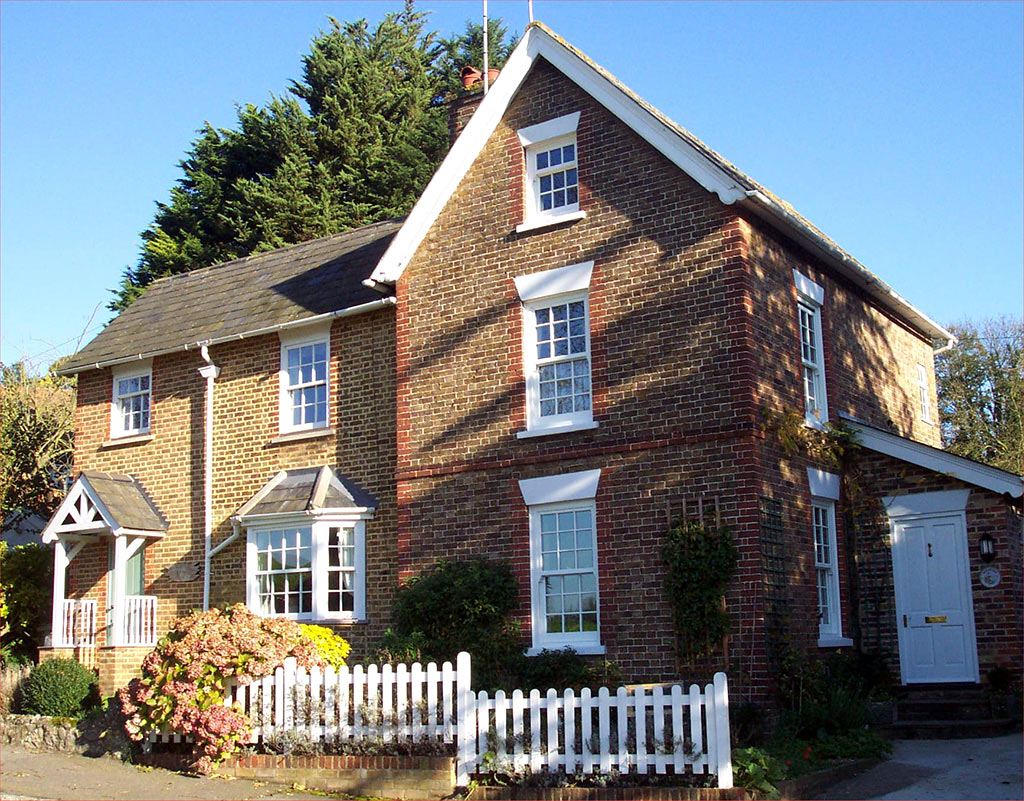
After
There are councils who seek to conserve the heritage of an area, one such council is Wigan.
Here they took a run down part of town, and restored it to its former glory. Their brief was to improve the lives of their tenants whilst retaining the character of the neighbourhood. Over the years you can imagine, every type, style and colour of poor plastic, aluminum, and yes even poorly designed timber windows had been fitted, it was a complete mish mash of fenestration.
Seeking to restore the Victorian feel to their properties, they installed over 100 PVCu sash windows with the latest thermal efficient glazing and acoustic glass for the benefit of the home owners on main roads.
Not only were the residents delighted their refurbished homes were energy efficient, secure and wholly in keeping with the Victorian era, Wigan themselves won civic awards for the improvement scheme. As their Senior Technical Officer said;
“We used Masterframe Windows as they are better value than hardwood, but give the same appearance. The windows have a deep bottom rail and glazing bar and a unique continuous horn, which Masterframe clearly spent a lot of time and effort on, making it the best feature on the Vintage collection. It is an excellent product, with very positive feedback from customers”
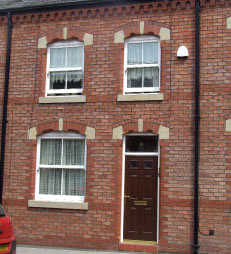
Before
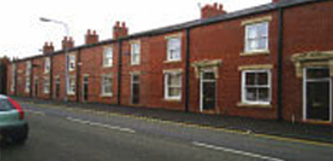
After
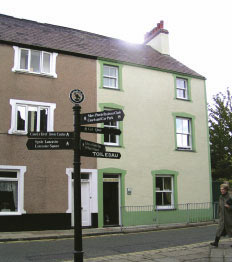
When the owners of a Bed & Breakfast considered replacement windows their planners were naturally interested in the proposal especially as the property stands within the walls of Conwy Castle, a World Heritage site in Wales.
Having seen the sample and much careful consideration, they approved the installation of our sash windows.
Once installed, the owners said, “they’re superb, they’re really keeping with the original Victorian style, and we’re amazed with the noise reduction” (as it’s on a busy main road) and their guests noticed “how much warmer the place felt”.
The sash windows in the property on the right retains the traditional feel, in stark contrast to the unauthorized replacement of unsympathetic casements next door (left) which are clearly out of character.
After
A council objected to 6 Bygone sash windows (PVCu) being installed whilst the work was on site.
The installation company being told to immediately withdraw from site before replacing any other windows. The property was Article 4 directive and the appropriate planning permissions had not been obtained.
Here the council had a ban on PVCu, it was their policy that PVCu was not suitable for conservation areas especially Article 4 directives. Again the owner felt the council’s refusal was unfair and objected to the notice, even though they hadn’t obtained the correct prior consent.
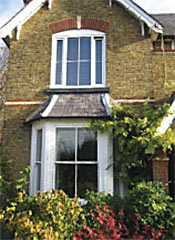
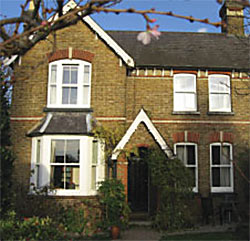
Situated in a Conservation Area, a semi-detached two storey property the owners sought to replace the existing timber sash windows with PVCU grain effect sash windows to front elevation (Article 4 (2) Direction). The council felt the proposed windows did not preserve or enhance the buildings appearance and would detract from the character of the Conservation Area.
The windows proposed, copy the sash styling and consist of modern PVCu double-glazed units furnished with modern float and not traditional glass. The company range is from the ‘Bygone’ range of vertical sliding white wood effect PVCu windows which have been developed to match original timber sash windows.
Clearly the authority was satisfied the owners did in fact care for the appearance as much as they, as they go on to say;
This case is finely balanced in that the applicants have clearly researched the matter and chosen a product that tries to replicate the appearance of timber sash windows. This is recognised and welcomed. However there is no escaping the fact that these windows are not timber and are in fact plastic windows.
The case officer has visited the site on several occasions and is satisfied that in this case a refusal could not be sustained as it will ultimately be difficult to distinguish between timber and PVCu because of the quality of the window type and design proposed.
The article 4 direction provides control over such matters, however the applicant has acknowledged the Conservation Area Status and controls exercised by the article 4(2) direction by choosing a superior plastic window which successfully imitates the timber sash design and on that basis the application should be supported.
Before
After
Fill in your details below and a member of our dedicated sales team will be in touch.
South Lakes Windows Ltd supplies and installs premium quality glazed windows, UPVC and composite doors, conservatories and orangeries across a wide service area covering Lancashire, Cumbria and North Yorkshire.
We work with homeowners in towns and villages across the region, including:
Cumbria: Barrow-in-Furness, Dalton in Furness, Ulverston, Broughton-in-Furness, Penrith, Keswick, Grasmere, Ambleside, Windermere, Coniston, Hawkshead, Kendal, Natland, Staveley, Tebay, Sedbergh, Arnside, Allithwaite, Grange-over-Sands, Cartmel, Lindale, Levens, Milnthorpe, Heversham, Holme, Witherslack, Dent, Cark and Flookburgh, Newby Bridge.
Lancashire: Preston, Lancaster, Garstang, Morecambe, Heysham, Clitheroe, Ribchester, Poulton-le-Fylde.
North Yorkshire & Border Areas: Settle, Ingleton, Kirkby Lonsdale, Burton-in-Kendal, Burton in Lonsdale, Bentham.
We also work throughout the wider South Lakes area and regularly take on projects across the Lake District National Park. If you’re unsure whether we cover your location, just get in touch with our team – we’re always happy to help.