Softwood provides the warmth and natural character that homeowners expect from a genuine timber window. Its appearance makes it particularly suitable where the windows need to complement traditional stonework, brickwork, render or other natural building materials. Timber also gives manufacturers considerable freedom over frame profiles and detailing. This makes softwood a good choice where traditional proportions, mouldings or glazing bars form an important part of the window design.
Modern timber windows use carefully selected and engineered wood rather than relying on basic sections of untreated timber. Engineered construction helps improve dimensional stability and reduces the risk of movement that could affect the operation of the window. The frames are also protected by modern factory-applied coating systems. These finishes help protect the wood from rain, sunlight and changing weather conditions while providing the colour or timber appearance required for the property.
Unlike UPVC, painted timber can also be refinished at a later date. This gives homeowners the option to change the colour as part of future exterior decoration.
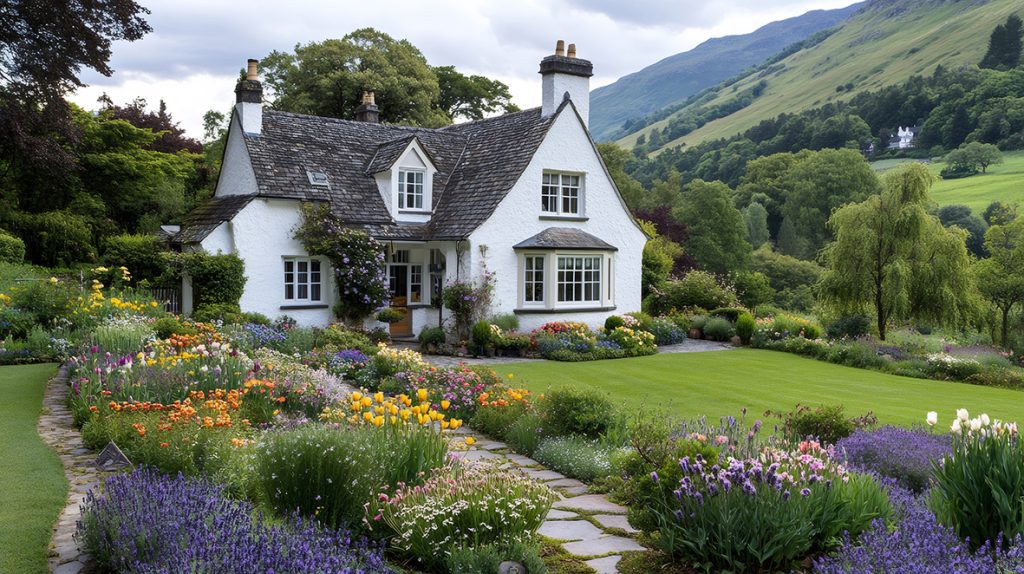
Softwood windows are particularly relevant to the many traditional properties found throughout Cumbria and the South Lakes. Stone cottages, Victorian houses, converted farm buildings and period town properties often have architectural details that suit genuine timber frames. Replacing an original timber window with a bulky modern frame can change the proportions of the opening and affect the character of the building.
Made-to-measure timber windows allow greater attention to be given to these details.
South Lakes Windows supplies Bereco timber windows, with ranges available for different architectural requirements. Traditional and Heritage options can provide appropriate frame proportions and detailing for period-influenced projects, while contemporary designs offer cleaner lines for newer homes. The choice of window style is equally important. Softwood can be used for traditional casement windows and vertical sliding sash designs, as well as fixed and feature windows where appropriate.
Glazing bars can be incorporated to reproduce established window patterns. Georgian and astragal bars can help create the smaller-pane appearance associated with many traditional properties, while simpler glazing provides an alternative for contemporary homes.
Choosing timber does not mean compromising on modern energy performance.
The natural insulating characteristics of wood make it well suited to window construction. Modern softwood windows combine this with energy efficient double glazing, effective weather seals and modern manufacturing methods to reduce unwanted heat loss. This can provide a considerable improvement where old single glazed or poorly fitting timber windows are being replaced.
The glass specification can be selected according to the requirements of the property. Low-emissivity glass can help reduce heat transfer, while suitable sealed glazing units provide insulation between the internal and external panes. Specialist glazing is also available for particular applications. Acoustic glass can help reduce unwanted external noise, which may be useful for homes close to busy roads. Laminated glass can provide additional impact resistance, while obscure glass can provide privacy for bathrooms and other sensitive areas.
Modern locking systems provide another significant improvement over many ageing timber windows. Secure hardware can be incorporated into the frame without detracting from its traditional appearance. The complete window, including the timber frame, glass, seals, hardware and installation, needs to work together to provide the required performance.
Timber windows can be particularly important when replacing windows within a conservation area or renovating a historically sensitive property.
Cumbria, the Lake District, North Lancashire and the Yorkshire Dales contain numerous conservation areas where the appearance of buildings is carefully protected. Some properties may also be subject to an Article 4 Direction, while listed buildings have separate consent requirements.
Planning requirements vary between properties and locations. Homeowners should therefore establish what permissions apply before replacing original or historically significant windows. Where timber is required, modern softwood windows can provide an opportunity to reproduce traditional details while introducing better glazing and weather protection.
The frame proportions, opening style, glazing bars, mouldings and colour may all need consideration. South Lakes Windows can discuss suitable timber window ranges based on the property and existing architecture. For listed buildings and other protected properties, the final specification will need to meet any requirements set by the relevant planning or conservation authority.
One of the advantages of softwood windows is the range of finishes available.
Painted frames can complement existing exterior joinery or provide a contrasting feature against stone and brick. Traditional whites, creams and heritage-inspired shades work particularly well with period homes, while darker and more contemporary colours can give timber windows a different character. Depending on the selected window system, stained finishes may also be available where homeowners want the grain and natural appearance of the timber to remain visible.
The design can then be completed with suitable handles, hardware and glazing details.
For homeowners replacing several windows, the same timber system can be used across different window styles. Casement windows might be combined with fixed panes, shaped glazing or sliding sash windows while retaining a consistent material and finish across the property. South Lakes Windows can help coordinate these details as part of a complete replacement window project.
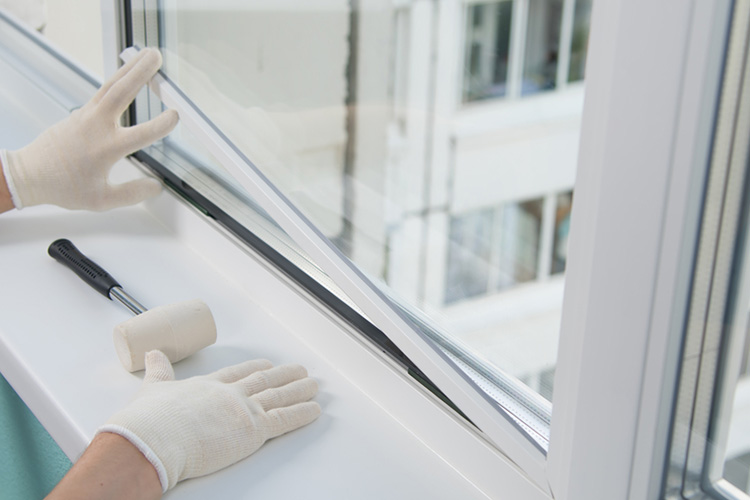
The quality of the installation is particularly important with timber windows. Correct measurement, positioning and sealing help protect the frame from the weather and ensure opening sections operate correctly. South Lakes Windows provides a complete softwood window supply and installation service. We start with a detailed home survey, during which we assess your existing windows and discuss the style, material, glazing and finish required.
Each timber window is made to measure before being fitted by our experienced installation team. Particular care is taken when working with older properties, where stonework and existing openings may be irregular.
Fill in your details below and a member of our dedicated sales team will be in touch.
We work with homeowners in towns and villages across the region, including:
Cumbria: Barrow-in-Furness, Dalton in Furness, Ulverston, Broughton-in-Furness, Penrith, Keswick, Grasmere, Ambleside, Windermere, Coniston, Hawkshead, Kendal, Natland, Staveley, Tebay, Sedbergh, Arnside, Allithwaite, Grange-over-Sands, Cartmel, Lindale, Levens, Milnthorpe, Heversham, Holme, Witherslack, Dent, Cark and Flookburgh, Newby Bridge.
Lancashire: Preston, Lancaster, Garstang, Morecambe, Heysham, Clitheroe, Ribchester, Poulton-le-Fylde.
North Yorkshire & Border Areas: Settle, Ingleton, Kirkby Lonsdale, Burton-in-Kendal, Burton in Lonsdale, Bentham.
If you are searching for a reliable softwood window supplier and installer, South Lakes Windows Ltd can help you select a timber window that suits your property, from traditional cottage casements and sash windows to contemporary timber designs.
Contact South Lakes Windows Ltd today to arrange a home survey and request a no-obligation quotation for your new or replacement softwood windows.